Brewing Guides
How to brew coffee at home comes down to two decisions: how much coffee to how much water, and how fine to grind it. Get those roughly right and everything else is fine-tuning — on whatever machine you already own.
The numbers below are standard starting points, not house secrets. Use them once, taste it, then adjust until it is how you like it.
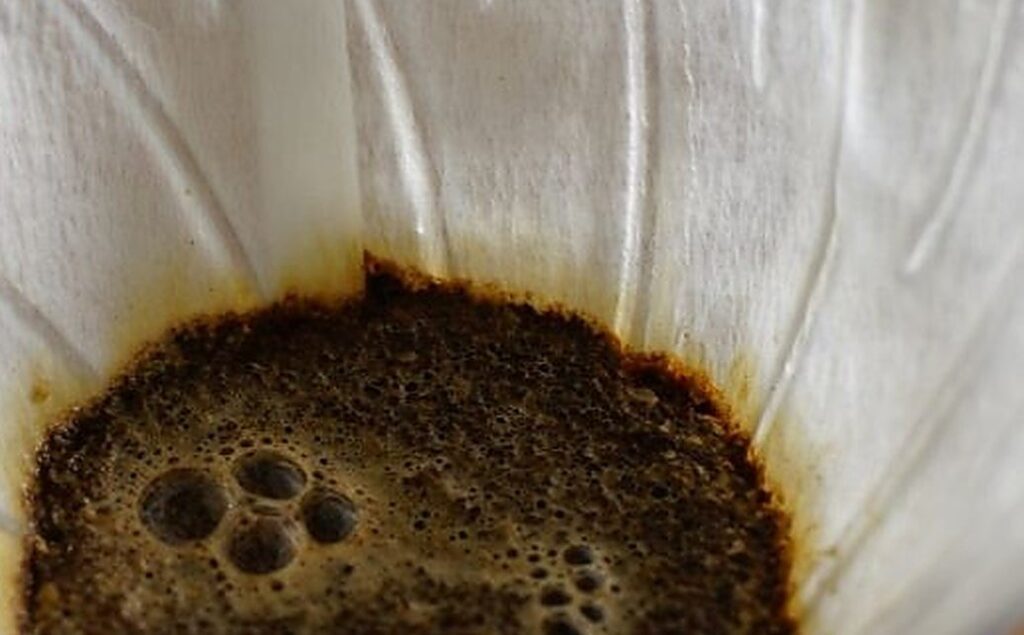
Which grind to order
Before any of the recipes below, this is the decision that matters most. We grind to order, so knowing how to brew coffee on your particular machine starts with ordering the right grind for it.
| If you have | Order |
|---|---|
| An espresso machine | Espresso |
| A filter machine, pour-over or plunger | Filter / plunger |
| A stovetop moka pot | Moka pot |
| Your own grinder | Whole bean — always the best cup |
| A Nespresso®-compatible machine | Our capsules instead |
If you are not sure, order whole bean and grind it yourself. Coffee starts losing its aroma within minutes of grinding, so a cheap grinder at home beats the finest grind done a week ago in a roastery.
Espresso
18–20 g of coffee in. 36–40 g of espresso out. Around 25–30 seconds.
That is roughly double the weight out that you put in. Weigh it — a kitchen scale changes more about your espresso than a new machine will.
Running too fast and tasting thin and sour? Grind finer. Dripping out slowly and tasting harsh? Grind coarser. Change one thing at a time.
Filter and pour-over
15 g of coffee per cup — a cup being about 250 ml of water. Two cups, 30 g. Scale it up from there.
Water just off the boil — wait about thirty seconds after it clicks off. Wet the grounds first, wait half a minute for them to bloom, then pour the rest in slow circles. The whole thing should take about three minutes.
Plunger
Coarse grind. 15 g per cup. Four minutes.
Pour, stir once, put the lid on and leave it alone. At four minutes, press down slowly and pour it all out — coffee left sitting on the grounds keeps extracting and turns bitter while you drink it.
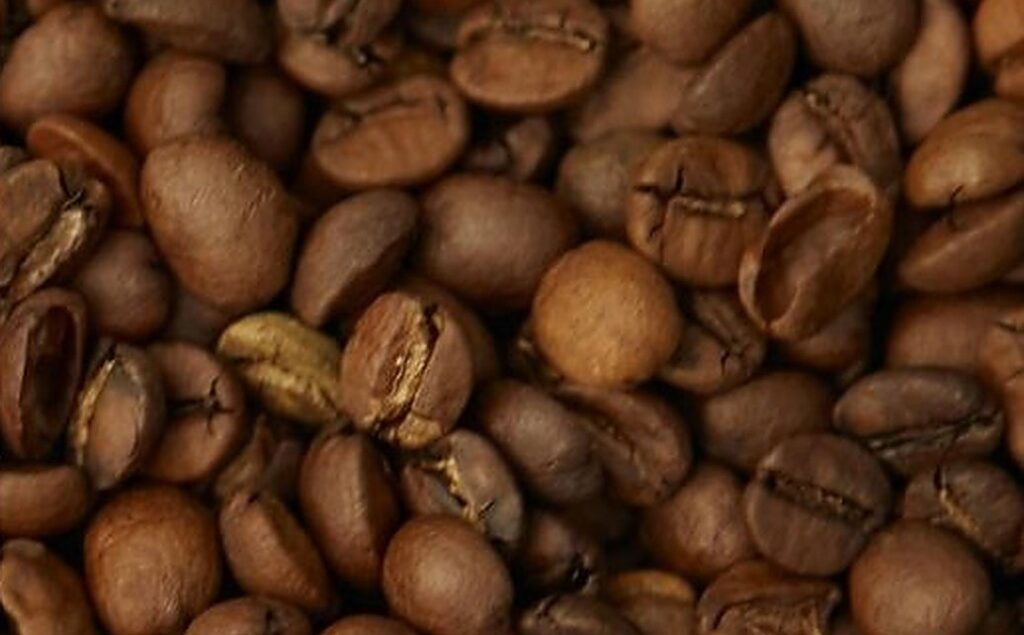
Moka pot
Fill the bottom with hot water to just below the valve. Fill the basket level — do not tamp it. Low heat, lid open.
When it starts gurgling, take it off. That gurgle is the last of the water coming through, and it is the part that tastes burnt.
How to brew coffee that tastes wrong, and how to fix it
| It tastes | Change this |
|---|---|
| Sour, thin, sharp | Under-extracted. Grind finer, or brew longer, or use hotter water. |
| Bitter, harsh, drying | Over-extracted. Grind coarser, or brew shorter. |
| Weak but not sour | Not enough coffee. Add more grounds, do not brew longer. |
| Flat and dull | Usually stale. Check the roast date. |
One change at a time, then taste. Two changes at once and you will not know which one worked.
Keeping it fresh
- Airtight container, cool cupboard, out of the sun.
- Not the fridge. Not the freezer once it is opened — condensation is the enemy.
- Buy what you will drink in a few weeks rather than stockpiling. We roast every week, so there is no need to.
Our coffees
Brazilian — Cerrado. Medium roast. Chocolate, roasted almond and marzipan, with enough body to hold up in milk. The house coffee, and the bag most people come back for.
Decaffeinated Colombian. Sugarcane process, which is why it still tastes like coffee rather than like a compromise. Decaffeinated is not caffeine-free — decaffeination takes most of the caffeine out but never all of it, so there is a small amount in every cup.
Capsules. Compostable, Nespresso®-compatible, ten to a box.
That is most of how to brew coffee well: fresh beans, the right grind, and one change at a time. See the whole range, or read about how we roast. Pouring coffee every day at work? That is our wholesale side.