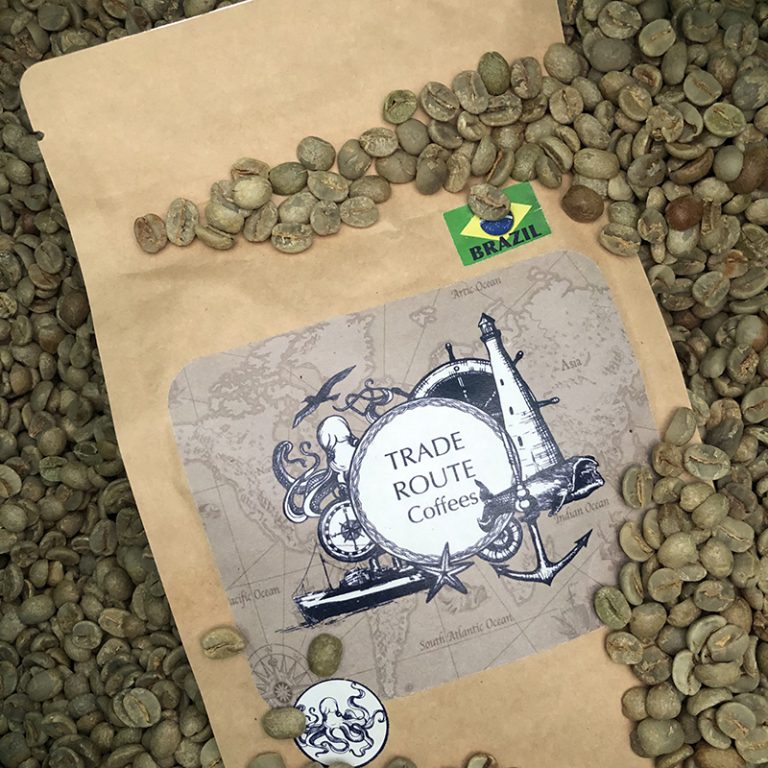
Introduction to Brazilian Coffee Single Origin Medium Roast by Trade Route Coffees

Brazilian coffee holds a special place in the hearts of coffee enthusiasts around the world, known for its rich flavor and smooth taste. Trade Route Coffees brings the essence of Brazilian coffee culture to your cup with their exquisite Brazilian coffee single origin medium roast. In this article, we'll explore the legacy of Brazilian coffee, the art of coffee blending, and Trade Route Coffees' commitment to quality and sustainability.

Brazil 1kg – R280 250g – R95 2

Brazilian Coffee Heritage

Brazil has a long and illustrious history of coffee production, dating back to the 18th century when coffee was first introduced to the country. Brazilian coffee quickly became one of the world's leading coffee exporters, thanks to the country's vast coffee plantations and ideal growing conditions. Brazilian coffee is celebrated for its smooth, medium-bodied flavor and chocolatey undertones, making it a favorite among coffee lovers worldwide.

Trade Route Coffees: A Brief Overview

Trade Route Coffees is dedicated to sourcing the finest coffee beans from around the world and roasting them to perfection to create an exceptional coffee experience. With a focus on quality, sustainability, and ethical sourcing, Trade Route Coffees has earned a reputation for excellence among coffee aficionados everywhere.

Importance of Coffee Blends

Coffee blending is an art form that involves combining different coffee beans to create a unique flavor profile that is greater than the sum of its parts. Blending allows roasters to balance acidity, body, and flavor to create a harmonious and complex cup of coffee that delights the senses.

Brazilian Coffee Blend: Flavor Profile and Characteristics

Trade Route Coffees' Brazilian coffee blend offers a rich, full-bodied flavor with notes of caramel, nuts, and cocoa, characteristic of Brazilian coffee beans. The blend is carefully crafted to highlight the best qualities of Brazilian coffee, resulting in a smooth and satisfying cup that can be enjoyed any time of day.

Sustainability Practices

Trade Route Coffees is committed to sustainability and ethical sourcing, working closely with coffee farmers to ensure fair wages and environmentally responsible farming practices. By supporting sustainable coffee production, Trade Route Coffees is helping to protect the environment and improve the livelihoods of coffee farmers and their communities.

Brazilian Coffee Blend in the Global Market

Brazilian coffee blends are gaining popularity in the global market, as consumers seek out high-quality, flavorful coffees that offer a taste of Brazil's rich coffee heritage. Trade Route Coffees' Brazilian coffee blend stands out for its exceptional flavor and quality, making it a favorite among coffee enthusiasts who appreciate the smooth, chocolatey taste of Brazilian coffee.

Trade Route Coffees' Commitment to Quality

Trade Route Coffees takes pride in their commitment to quality, using only the finest coffee beans and roasting them to perfection to ensure a consistently delicious cup of coffee every time. With strict quality control measures in place, Trade Route Coffees guarantees freshness and flavor in every bag of Brazilian coffee blend.

Health Benefits of Brazilian Coffee

In addition to its delicious flavor, Brazilian coffee offers a range of health benefits, including antioxidants that may help protect against certain diseases and promote overall health. By choosing Trade Route Coffees' Brazilian coffee blend, you can enjoy the taste and health benefits of coffee while supporting sustainable and ethical coffee production practices.

Cultural Significance of Brazilian Coffee

Coffee plays a central role in Brazilian culture, with coffee rituals and traditions that have been passed down through generations. From the lively coffee markets of São Paulo to the cozy cafes of Rio de Janeiro, coffee is a symbol of hospitality, friendship, and community in Brazil.

Challenges and Opportunities

While Brazilian coffee enjoys widespread popularity, coffee producers in Brazil face challenges such as fluctuating market prices and climate change. However, there are also opportunities for growth and innovation, as demand for high-quality Brazilian coffee continues to rise in both domestic and international markets.

Customer Experience and Reviews

Customers who have tried Trade Route Coffees' Brazilian coffee blend rave about its exceptional flavor and quality. Many customers appreciate the smooth, chocolatey taste of the coffee and the company's commitment to sustainability and ethical sourcing.

Tips for Brewing Brazilian Coffee Blend

For optimal flavor and enjoyment, brew Trade Route Coffees' Brazilian coffee blend using your preferred brewing method, whether it's drip, French press, or espresso. Experiment with different grind sizes and brewing times to find the perfect balance of flavor and strength.

Conclusion

Trade Route Coffees' Brazilian coffee blend offers a taste of Brazil's rich coffee heritage in every cup. With its exceptional flavor, quality, and commitment to sustainability, Trade Route Coffees is setting the standard for excellence in the world of Brazilian coffee blends. Whether you're sipping a cup at home or sharing it with friends, Trade Route Coffees' Brazilian coffee blend is sure to delight your senses and satisfy your craving for delicious coffee.

FAQs (Frequently Asked Questions)

  1. What makes Brazilian coffee blend unique?

Brazilian coffee blend offers a smooth, chocolatey flavor with notes of caramel and nuts, characteristic of Brazilian coffee beans.

  1. Is Brazilian coffee blend available in different roasts?

Yes, Trade Route Coffees offers Brazilian coffee blend in a variety of roasts to suit different preferences, from light to dark.

  1. Is Brazilian coffee blend suitable for espresso?

Yes, Brazilian coffee blend is versatile and can be used for brewing espresso as well as other coffee drinks.

  1. Does Trade Route Coffees offer organic Brazilian coffee blend?

Yes, Trade Route Coffees sources organic Brazilian coffee beans for their Brazilian coffee blend, ensuring the highest quality and sustainability.

  1. Where can I buy Trade Route Coffees' Brazilian coffee blend?

Trade Route Coffees' Brazilian coffee blend is available for purchase online through our website.  Find our products here.

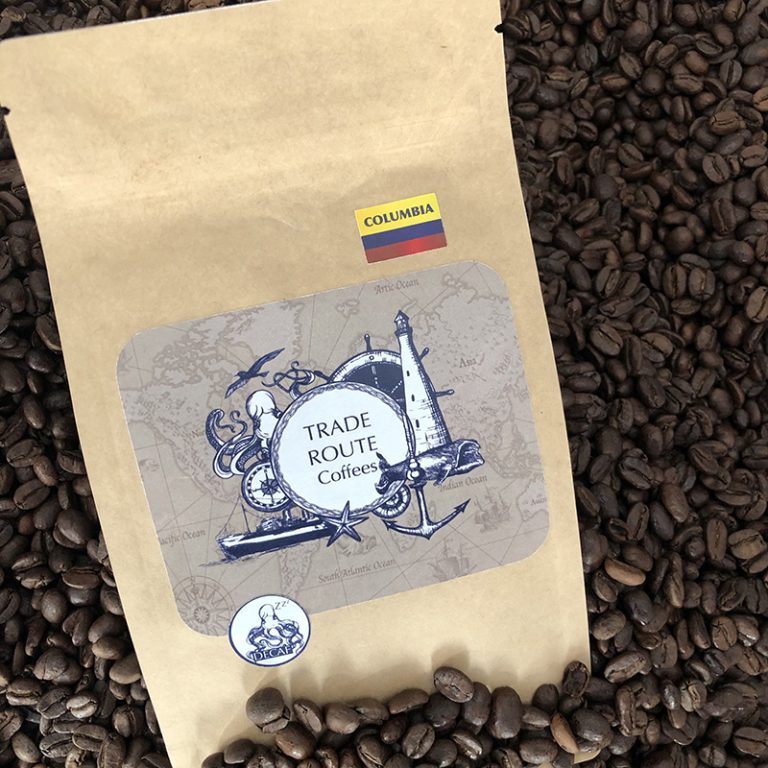
Introduction to Colombian Decaf Coffee by Trade Route Coffees

Colombian coffee holds a special place in the hearts of coffee enthusiasts around the world, known for its rich flavor and aromatic profile. Trade Route Coffees brings the essence of Colombian coffee culture to your cup with their exquisite decaf offerings. In this article, we'll explore the legacy of Colombian coffee, the importance of decaf options, and Trade Route Coffees' commitment to quality and sustainability.

Columbian decaf 1kg – R350 250g – R115 2

Colombian Coffee Heritage

Colombia has a long and storied history of coffee production, with coffee cultivation dating back to the early 19th century. Colombian coffee is celebrated for its exceptional quality and consistency, thanks to the country's ideal climate and terrain for coffee cultivation. Colombian coffee has become synonymous with excellence, setting the standard for high-quality coffee worldwide.

Importance of Decaf Coffee

While traditional coffee remains popular, there is a growing demand for decaf options among consumers who want to enjoy the taste of coffee without the caffeine. Decaf coffee offers all the flavor and aroma of regular coffee with minimal caffeine content, making it a versatile choice for those looking to limit their caffeine intake or enjoy coffee later in the day without affecting sleep.

Trade Route Coffees: A Brief Overview

Trade Route Coffees is committed to sourcing the finest coffee beans from around the world and roasting them to perfection to create an exceptional coffee experience. With a focus on quality, sustainability, and ethical sourcing, Trade Route Coffees has earned a reputation for excellence among coffee lovers worldwide.

Colombian Decaf Coffee: Production Process

Decaffeinated coffee undergoes a careful process to remove caffeine while preserving the flavor and aroma of the beans. Trade Route Coffees uses advanced decaffeination methods to ensure that their Colombian decaf coffee retains the rich flavor and complexity of traditional Colombian coffee, allowing you to enjoy all the benefits of Colombian coffee without the caffeine.

Flavor Profile and Characteristics

Trade Route Coffees' Colombian decaf coffee offers a rich, full-bodied flavor with notes of chocolate, caramel, and nuts, characteristic of Colombian coffee beans. The beans are carefully roasted to bring out their natural sweetness and complexity, resulting in a smooth and satisfying cup of coffee that can be enjoyed at any time of day.

Sustainability Practices

Trade Route Coffees is committed to sustainability and ethical sourcing, working closely with coffee farmers to ensure fair wages and environmentally responsible farming practices. By supporting sustainable coffee production, Trade Route Coffees is helping to protect the environment and improve the livelihoods of coffee farmers and their communities.

Colombian Decaf Coffee in the Global Market

Colombian decaf coffee is gaining popularity in the global market, as consumers seek out high-quality, caffeine-free options. Trade Route Coffees' Colombian decaf coffee stands out for its exceptional flavor and quality, making it a favorite among coffee enthusiasts who appreciate the rich heritage and distinctive taste of Colombian coffee.

Trade Route Coffees' Commitment to Quality

Trade Route Coffees takes pride in their commitment to quality, using only the finest coffee beans and roasting them to perfection to ensure a consistently delicious cup of coffee every time. With strict quality control measures in place, Trade Route Coffees guarantees freshness and flavor in every bag of Colombian decaf coffee.

Health Benefits of Colombian Decaf Coffee

Decaf coffee offers many of the same health benefits as regular coffee, including antioxidants that may help protect against certain diseases and promote overall health. By choosing Trade Route Coffees' Colombian decaf coffee, you can enjoy the taste and health benefits of coffee without the caffeine.

Cultural Significance of Colombian Coffee

Coffee plays a central role in Colombian culture, with coffee rituals and traditions that have been passed down through generations. From the lively coffee markets of Bogotá to the intimate coffee ceremonies of rural villages, coffee is a symbol of hospitality, friendship, and community in Colombia.

Challenges and Opportunities

While Colombian coffee enjoys widespread popularity, coffee producers in Colombia face challenges such as fluctuating market prices and climate change. However, there are also opportunities for growth and innovation, as demand for high-quality Colombian coffee continues to rise in both domestic and international markets.

Customer Experience and Reviews

Customers who have tried Trade Route Coffees' Colombian decaf coffee rave about its exceptional flavor and quality. Many customers appreciate the smooth, rich taste of the coffee and the company's commitment to sustainability and ethical sourcing.

Tips for Brewing Colombian Decaf Coffee

For optimal flavor and enjoyment, brew Trade Route Coffees' Colombian decaf coffee using your preferred brewing method, whether it's drip, French press, or espresso. Experiment with different grind sizes and brewing times to find the perfect balance of flavor and strength.

Conclusion

Trade Route Coffees' Colombian decaf coffee offers a taste of Colombia's rich coffee heritage in every cup. With its exceptional flavor, quality, and commitment to sustainability, Trade Route Coffees is setting the standard for excellence in the world of Colombian decaf coffee. Whether you're sipping a cup at home or sharing it with friends, Trade Route Coffees' Colombian decaf coffee is sure to delight your senses and satisfy your craving for delicious coffee.

FAQs (Frequently Asked Questions)

  1. Is decaf coffee less flavorful than regular coffee?

Decaf coffee offers the same rich flavor and aroma as regular coffee, minus the caffeine.

  1. How is decaf coffee made?

Decaffeinated coffee undergoes a process to remove caffeine while preserving the flavor and aroma of the beans.

  1. Is Colombian decaf coffee available in different roasts?

Yes, Trade Route Coffees offers Colombian decaf coffee in a variety of roasts to suit different preferences, from light to dark.

  1. Is decaf coffee healthier than regular coffee?

Decaf coffee offers many of the same health benefits as regular coffee, including antioxidants that may help protect against certain diseases.

  1. Where can I buy Trade Route Coffees' Colombian decaf coffee?

Trade Route Coffees' Colombian decaf coffee is available for purchase online through our website.  Find our products here.

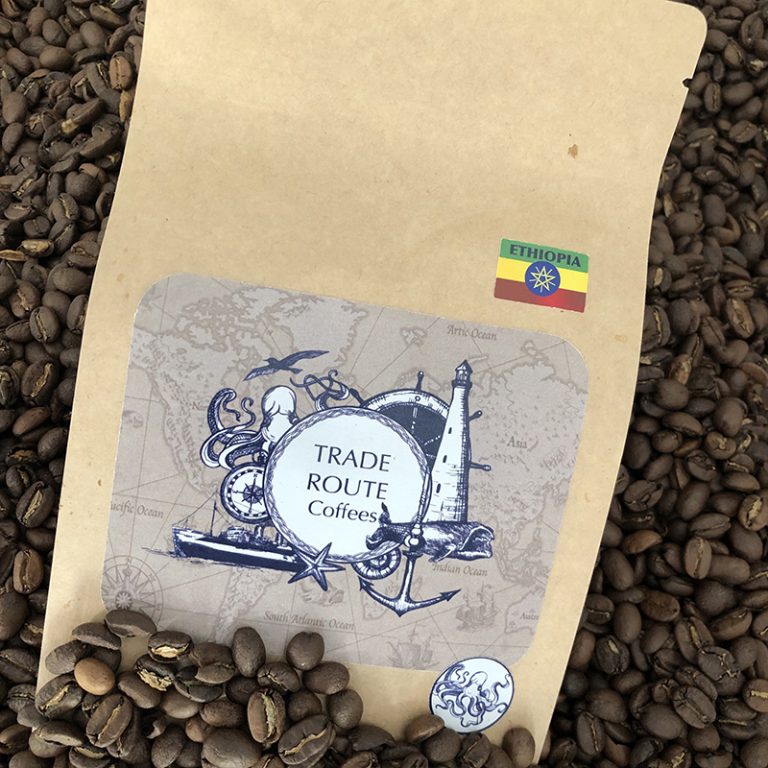
Introduction to Ethiopian Coffee Single Origin Medium Roast

Ethiopia, often regarded as the birthplace of coffee, boasts a diverse and vibrant coffee culture that dates back centuries. Ethiopian coffee single origin medium roast hold a special place in the hearts of coffee connoisseurs worldwide, thanks to their unique flavors, rich history, and cultural significance. In this article, we'll take a closer look at the fascinating world of Ethiopian coffee, exploring their origins, characteristics, and much more.

Ethiopian 1kg – R350 250g – R115

History of Ethiopian Coffee

The story of Ethiopian coffee begins in the ancient forests of the Ethiopian highlands, where legend has it that a goat herder named Kaldi discovered the energizing effects of coffee beans after noticing his goats became lively after eating them. This discovery sparked the cultivation of coffee in Ethiopia, leading to the establishment of coffee trade routes and the development of elaborate coffee ceremonies that remain an integral part of Ethiopian culture to this day.

Types of Ethiopian Coffee Blends

Ethiopian coffee blends come in a variety of forms, ranging from single-origin beans to carefully crafted blends that combine beans from different regions. Single-origin coffees highlight the unique characteristics of beans from specific growing regions, while blended coffees offer a harmonious balance of flavors and profiles. Popular Ethiopian coffee blends include the famous Yirgacheffe, Sidamo, and Harrar blends, each known for its distinctive taste and aroma.

Regions of Ethiopian Coffee Production

Ethiopia is home to several distinct coffee-growing regions, each with its own microclimates and terroirs that influence the flavor and profile of the coffee grown there. Some of the major coffee-producing regions in Ethiopia include Yirgacheffe, Sidamo, Harrar, and Limu. Each region is known for producing coffees with unique flavor profiles, ranging from fruity and floral to earthy and spicy.

Harvesting and Processing Methods

Coffee harvesting in Ethiopia often involves traditional methods, with farmers hand-picking ripe cherries from the coffee trees during the harvest season. Once harvested, the cherries are processed using either the wet or dry method. The wet method involves removing the pulp and mucilage from the cherries before drying them, while the dry method involves drying the cherries with the pulp intact. Each method imparts different flavors and characteristics to the final cup of coffee.

Flavor Profile and Characteristics

Ethiopian coffee blends are renowned for their complex flavors and aromatic profiles, which are influenced by factors such as altitude, soil composition, and processing method. Ethiopian coffees often exhibit floral, fruity, and wine-like flavors, with hints of citrus, berry, and spice. The high altitude and fertile soil of the Ethiopian highlands contribute to the exceptional quality and diversity of Ethiopian coffee blends, making them highly sought after by coffee enthusiasts around the world.

Sustainability Practices in Ethiopian Coffee Farming

In recent years, there has been a growing emphasis on sustainability in the Ethiopian coffee industry, with many farmers adopting environmentally friendly farming practices such as agroforestry and organic farming. Additionally, there has been a push for fair trade and ethical sourcing practices to ensure that coffee farmers receive fair compensation for their labor and that environmental resources are preserved for future generations.

Ethiopian Coffee Blends in the Global Market

Ethiopia is one of the world's leading coffee exporters, with Ethiopian coffee blends enjoying a strong reputation in the global market. Ethiopian coffees are prized for their exceptional quality, unique flavors, and cultural significance, making them a favorite among coffee roasters and consumers alike. In recent years, there has been a growing demand for Ethiopian specialty coffees, driven by increasing consumer interest in traceability, sustainability, and premium coffee experiences.

Popular Ethiopian Coffee Brands

Ethiopia is home to several well-known coffee brands that have gained international recognition for their quality and authenticity. Brands like Yirgacheffe, Sidamo, and Harrar are synonymous with Ethiopian coffee excellence, offering a wide range of single-origin and blended coffees to suit every taste and preference. These brands play a vital role in promoting Ethiopian coffee culture and showcasing the diversity of flavors that the country has to offer.

Health Benefits of Ethiopian Coffee

Like all coffee, Ethiopian coffee blends contain antioxidants and other bioactive compounds that may offer a range of health benefits when consumed in moderation. Studies have shown that moderate coffee consumption may be linked to a reduced risk of certain diseases, improved cognitive function, and increased longevity. Ethiopian coffee, in particular, is prized for its rich antioxidant content and potential health-promoting properties.

Cultural Significance of Ethiopian Coffee

Coffee holds a special place in Ethiopian culture, serving as a symbol of hospitality, friendship, and community. Traditional Ethiopian coffee ceremonies are elaborate affairs that involve roasting, grinding, and brewing coffee beans in front of guests, with each step performed with care and reverence. Coffee is often served alongside traditional snacks and sweets, creating a warm and welcoming atmosphere for guests to enjoy.

Challenges Facing Ethiopian Coffee Industry

Despite its success, the Ethiopian coffee industry faces several challenges that threaten its sustainability and growth. Economic and social issues such as poverty, lack of access to education and healthcare, and inadequate infrastructure present significant barriers to the prosperity of coffee farmers in Ethiopia. Additionally, climate change poses a serious threat to coffee production, with rising temperatures and unpredictable weather patterns affecting yields and quality.

Future Outlook for Ethiopian Coffee

Despite these challenges, the future looks promising for Ethiopian coffee. Advances in farming technology, sustainable practices, and market access offer hope for increased productivity and resilience in the face of climate change and economic hardship. Additionally, growing consumer demand for high-quality, ethically sourced coffees presents new opportunities for Ethiopian coffee producers to thrive in the global market and improve the livelihoods of coffee farmers across the country.

Tips for Buying Ethiopian Coffee Blends

When purchasing Ethiopian coffee blends, there are a few things to keep in mind to ensure you're getting the best quality beans. Look for reputable brands and suppliers that prioritize quality, sustainability, and fair trade practices. Consider trying different varieties and processing methods to discover your favorite flavors and profiles. And don't be afraid to ask questions about where and how the coffee was grown, as transparency and traceability are essential factors for ensuring the authenticity and integrity of Ethiopian coffee.

Conclusion

Ethiopian coffee blends represent the rich heritage, diverse flavors, and vibrant culture of the birthplace of coffee. From the ancient forests of the Ethiopian highlands to the bustling coffee markets of Addis Ababa, Ethiopian coffee continues to captivate the world with its exceptional quality, unique flavors, and timeless traditions. Whether you're savoring a cup of freshly brewed Ethiopian coffee at home or experiencing a traditional coffee ceremony in Ethiopia, you're tasting a piece of history and culture that has been cherished for centuries.

FAQs (Frequently Asked Questions)

  1. What makes Ethiopian coffee unique?

Ethiopian coffee is known for its complex flavors, floral aromas, and diverse profiles, thanks to the country's unique terroir and processing methods.

  1. Are Ethiopian coffee blends always single-origin?

While single-origin coffees are common in Ethiopia, many blends combine beans from different regions to create a harmonious balance of flavors and characteristics.

  1. What are some popular Ethiopian coffee brands?

Some well-known Ethiopian coffee brands include Yirgacheffe, Sidamo, and Harrar, each known for their exceptional quality and distinctive flavor profiles.

  1. What are the health benefits of drinking Ethiopian coffee?

Like all coffee, Ethiopian coffee blends contain antioxidants and other bioactive compounds that may offer health benefits, including improved cognitive function and reduced risk of certain diseases.

  1. Where can I buy authentic Ethiopian coffee blends?

Trade Route Coffees sells an enchanting medium roast single origin Ethiopian Sidamo coffee.  We have packs of 250g or 1kg available in beans or grounded.

Find our products here.

Copyright © 2026 Trade Route Coffees | All Rights Reserved
Design & Maintained by Feline Graphics